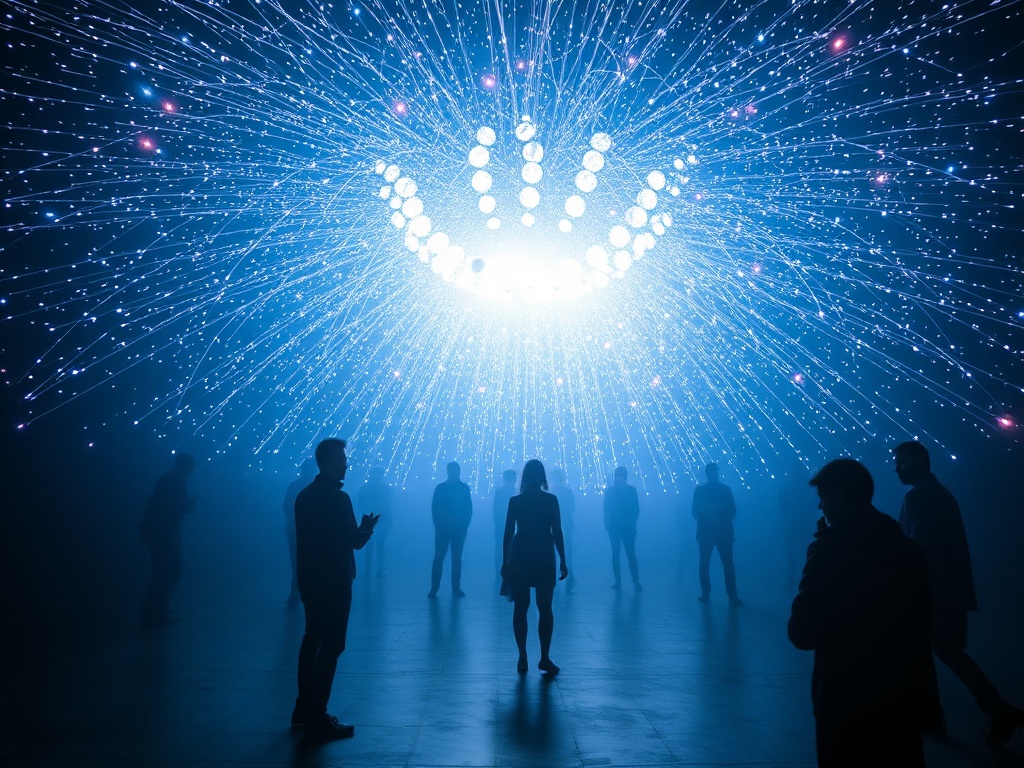
Picture this: You step into a room and it feels like something—almost as if the space itself has a pulse. The lighting shifts around you, sound seems to follow your movements, and every surface invites curiosity. This isn’t just decoration. It’s not just design. It’s a spaietacle.
In an era where attention is the world’s most valuable currency, a new concept has quietly emerged—one that transforms how we experience space, storytelling, and human connection. Whether you’ve encountered the term in creative circles, design blogs, or conversations about the future of entertainment, spaietacle represents a fundamental shift in how we engage with our surroundings. Let’s explore what this intriguing concept is all about.
Where Did Spaietacle Come From?
Spaietacle (pronounced spay-eh-tuh-cul) is a portmanteau of “space” and “spectacle“—and that’s exactly what it is. It describes the powerful, emotional experience of an environment that feels not just functional, but truly breathtaking.
While the word is modern, its roots run deep. Humans have been creating spaietacles for millennia—from the grand Roman amphitheaters where audiences were surrounded by massive architecture and visceral action, to the elaborate religious festivals of ancient Egypt and Greece. What’s different now is that technology has caught up with imagination. Advances in virtual reality, augmented reality, projection mapping, and artificial intelligence have made it possible to create immersive experiences on a scale never before possible.
But spaietacle isn’t something you simply watch. It’s something you live.
What Makes a Spaietacle?
At its core, a spaietacle is an immersive experience where the environment itself becomes the medium of storytelling and engagement. Several essential elements must come together:
1. Immersive Space
The environment surrounds the audience physically or visually, creating a sense of complete presence. Think art installations, VR rooms, or projection domes.
2. Sensory Impact
Multiple senses are engaged simultaneously—sight, sound, touch, and sometimes even smell and taste—to create a holistic experience. Projection domes, LED art, and dynamic lighting all play a role.
3. Emotional Connection
A spaietacle is designed to evoke feelings, not just visual appreciation. Whether it’s wonder, joy, calm, or curiosity, emotion is central to the experience.
4. Interactive Element
Participants don’t just watch; they engage. Movement, choices, and even presence itself shape the unfolding experience. Photo zones, touch walls, and motion displays all invite participation.
5. Narrative Depth
Beneath the sensory layers lies a story or meaning that gives coherence to the experience. Every spaietacle tells a story—whether it’s the history of a city, the journey of a brand, or the triumph of a hero.
Where Spaietacle Is Changing the Game
This isn’t abstract theory. Spaietacle is already reshaping industries across the board:
Art Installations
Modern galleries and public displays use immersive setups that surround visitors with light, sound, and motion. TeamLab Borderless in Tokyo is a stunning example—a digital art museum where visitors become part of ever-changing installations, with vibrant colors and interactive displays that captivate people of all ages.
Event and Stage Design
Concerts and theater stages now use screens, 3D visuals, and dynamic lighting to create spectacular environments. Cirque du Soleil performances combine acrobatics, theater, and music into breathtaking live shows.
Retail and Branding Spaces
Brands are creating emotional shopping experiences to connect with consumers—flagship stores, pop-up activations, and product experience rooms. Apple’s product launches are masterfully designed as spaietacles, blending sleek visuals, storytelling, and anticipation.
Digital Environments
In the online world, spaietacle appears in VR worlds, 3D animations, and interactive websites. It’s pushing the boundaries of digital storytelling.
Home and Interior Atmosphere
Even your living room can embrace the spaietacle mindset. Soft lighting, spatial harmony, and décor that tells a story—these all reflect the same principles.
Why Spaietacle Matters Now
We live in a visual culture where attention is limited. People remember what they feel, not just what they see.
A spaietacle creates emotional memory. It invites interaction. It turns ordinary spaces into meaningful experiences. This is why more brands, artists, designers, and creators are adopting spaietacle-style design.
Think about the last time you experienced something truly unforgettable. What made it stick? Chances are, it wasn’t just what you saw—it was how it made you feel. That’s the power of spaietacle.
How to Create a Spaietacle Experience
Want to bring spaietacle into your own work or space? Here’s where to start:
Tell a Story Through Space – A spaietacle always communicates something. Before you design, ask: What narrative are you sharing?
Start With Emotion – Ask yourself: What do you want people to feel? Wonder? Calm? Curiosity? Joy? Let that guide every decision.
Use Visual Depth – Layers of light, color, motion, and scale create richness and dimension.
Engage Multiple Senses – Sound plus lighting plus physical textures equals stronger immersion. Don’t rely on sight alone.
Encourage Interaction – Allow movement, touch, or participation. The more someone can engage, the more they’ll remember.
The Future of Spaietacle
As technology evolves, so will the way we create immersive experiences. Future spaietacles may include AI-driven visual spaces, mixed-reality retail environments, interactive holographic displays, and fully responsive smart rooms.
The goal remains the same: to create spaces that make people feel alive and connected.
In Conclusion
Spaietacle is not merely design—it’s experience-based expression. The concept dwells on immersive, emotional connection, whether in art, retail, events, digital spaces, or the personal environment.
As one source beautifully puts it, “if a spectacle is something you observe, a spaietacle is something you live.”
So here’s a challenge: this week, look for the spaietacles around you. That coffee shop with the perfect lighting. That walk through the park at golden hour. That moment when a room just feels right. Better yet—create one yourself.
Have you experienced a spaietacle recently? Share your story in the comments below. And if you found this article helpful, share it with someone who loves great design, immersive experiences, or just needs a little more wonder in their day.

 By huda