 By huda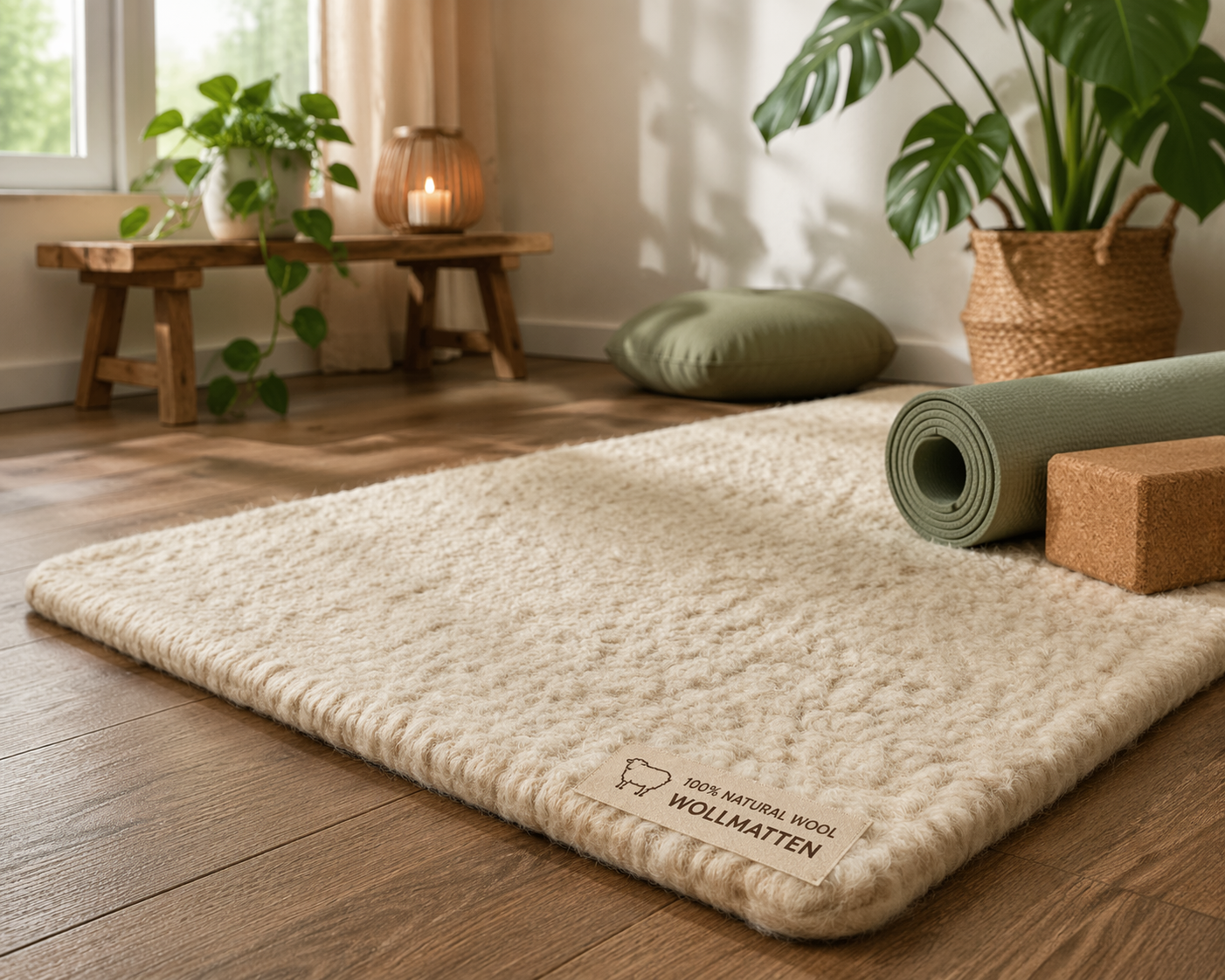
Wollmatten are natural mats made from sheep’s wool that are widely used for comfort, insulation, and eco-friendly living. These mats combine traditional craftsmanship with modern functionality, making them a popular choice in homes, offices, and wellness spaces. Unlike synthetic alternatives, wollmatten are biodegradable, breathable, and highly durable, offering both aesthetic appeal and practical benefits.
In today’s world where sustainability is becoming essential, wollmatten stand out as a smart and responsible choice for people who want comfort without harming the environment.
What Are Wollmatten?
Definition of Wollmatten
Wollma-tten (derived from German words “Woll” meaning wool and “Matten” meaning mats) are mats created by compressing, weaving, or felting wool fibers into a dense structure.
These mats can vary in thickness and texture depending on their use—some are soft and decorative, while others are dense and designed for insulation or industrial purposes.
How Wollmatten Are Made
The manufacturing process of wollma-tten involves several steps:
- Cleaning raw sheep wool
- Carding (aligning fibers)
- Felting or weaving into mats
- Treating for durability and pest resistance
This process creates a product that is both strong and flexible, with natural air pockets that enhance insulation.
Key Features of Wollmatten
1. Natural Composition of Wollmatten
One of the main reasons wollm-atten are popular is their natural composition. They are made primarily from wool, a renewable and biodegradable resource, making them environmentally friendly.
2. Thermal Insulation in Wollmatten
Wollm-atten are excellent insulators because wool fibers trap air within their structure. This helps maintain indoor temperature and reduces heat loss.
3. Moisture Regulation of Wollmatten
Wool has hygroscopic properties, meaning wollm-atten can absorb and release moisture without feeling wet. This helps maintain comfortable humidity levels indoors.
4. Sound Absorption Benefits of Wollmatten
Thanks to their fibrous structure, wollma-tten reduce noise and echo, making them ideal for quiet environments like offices and studios.
5. Durability and Elasticity of Wollmatten
Unlike many synthetic mats, wollma-tten maintain their shape over time due to the natural elasticity of wool fibers.
Benefits of Using Wollmatten
Eco-Friendly Nature of Wollmatten
One of the biggest advantages of woll-matten is their sustainability. They are biodegradable and require less energy to produce compared to synthetic materials.
Health Benefits of Wollmatten
Wollm-atten improve indoor air quality by absorbing pollutants and regulating humidity. They also resist dust and allergens, making them suitable for people with sensitivities.
Comfort and Aesthetic Appeal of Wollmatten
These mats provide a soft, warm surface underfoot and add a natural, cozy look to any space. Their neutral tones and textures fit well with modern interior design.
Fire Resistance in Wollmatten
Wool is naturally flame-resistant, making wollm–atten safer than many synthetic alternatives.
Common Uses of Wollmatten
1. Wollmatten in Home Interiors
Wollm-atten are commonly used as floor mats, rugs, or decorative pieces in living rooms and bedrooms. They enhance comfort while improving insulation.
2. Wollm-atten in Construction and Insulation
Due to their insulating properties, wollm-atten are widely used in walls, roofs, and floors to maintain energy efficiency.
3. Wollm-atten in Wellness and Yoga Spaces
Many wellness centers use wollm-atten for yoga and meditation because of their softness and natural feel.
4. Wollma-tten in Gardening and Landscaping
Wollm-atten can also be used in gardening to retain soil moisture and protect plants, showcasing their versatility.
Wollmatten vs Synthetic Mats
Why Wollma-tten Are Better
When compared to synthetic mats, wollm-atten offer several advantages:
- Natural and biodegradable
- Better insulation
- Moisture control
- Long-lasting durability
Synthetic mats, on the other hand, often contain plastics and may release micro-particles into the environment.
Limitations of Wollm-atten
Despite their benefits, woll-matten have some limitations:
- Higher cost than synthetic mats
- Require proper maintenance
- Sensitive to excessive moisture if not treated
How to Choose the Best Wollmatten
Consider Material Quality
Always look for high-quality wool when selecting wollmatt. Pure wool mats provide better durability and performance.
Check Thickness and Density
The thickness of wollmatt determines their comfort and insulation capability. Thicker mats are better for insulation, while thinner ones are suitable for decoration.
Evaluate Purpose of Woll-matten
Choose your woll-matten based on your needs:
- Flooring → Medium thickness
- Insulation → High density
- Yoga/comfort → Soft texture
Maintenance Tips for Wollmatten
Cleaning Woll-matten
- Vacuum regularly
- Spot clean with mild detergent
- Avoid excessive water
Preserving Wollmatten Quality
- Keep in dry areas
- Avoid direct sunlight for long periods
- Use natural repellents to prevent pests
Proper care ensures that wollm-atten last for many years without losing their quality.
Future of Wollmatten
With growing awareness about sustainability, wollm-atten are becoming increasingly popular worldwide. Their eco-friendly nature, combined with comfort and durability, makes them a preferred choice for modern living. As industries shift toward greener solutions, wollm-atten are expected to play a significant role in interior design and construction.
Conclusion
Wollma-tten are more than just simple mats—they represent a perfect blend of nature, comfort, and functionality. From improving indoor air quality to providing insulation and aesthetic value, these wool-based mats offer numerous benefits. While they may require a slightly higher investment, their long-term advantages make them a worthwhile addition to any space.
If you are looking for a sustainable, durable, and comfortable solution, wollmatt are an excellent choice that aligns with modern eco-conscious living