
 By huda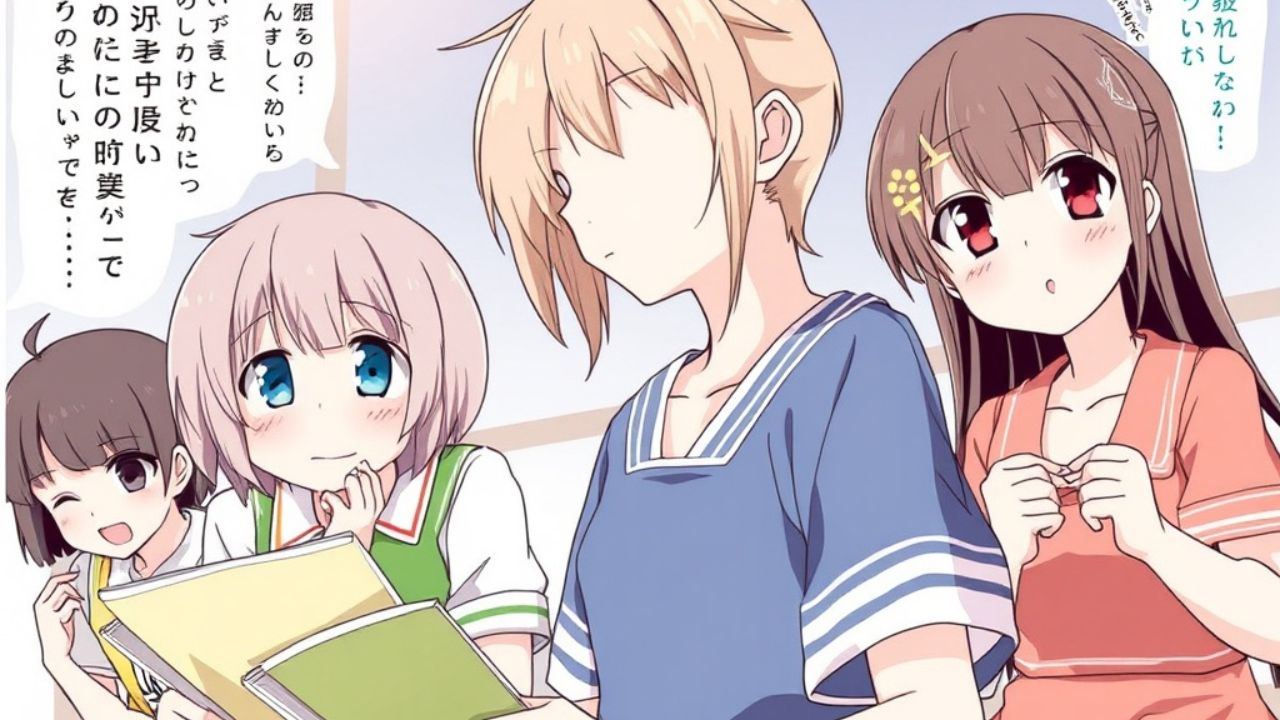
If you’ve heard people search for moe doujin and wondered what it really means, you’re not alone. The term points to a style and culture within Japanese self-published media where “cute” character expression plays a central role. In this article, we’ll cover what moe doujin refers to, why it attracts fans, how creators build stories around character charm, and—just as importantly—how readers can approach the genre responsibly and safely.
What “Moe Doujin” Means
Moe doujin combines two ideas: moe, which generally describes a strong fondness or emotional attachment people feel toward a character (often because of their personality, design, or vulnerability), and doujin, meaning self-published work.
In practice, moe doujin can describe doujinshi (self-made manga), fan-written stories, fan-made comics, or other amateur publications that emphasize character appeal—sometimes through everyday scenarios, comedic beats, or emotionally supportive character dynamics. It’s less about one specific plot formula and more about focusing on feelings: the reader is meant to connect with the character’s expression, mannerisms, and “cute” moments.
The Difference Between Doujin and Mainstream Media
Doujin culture is distinct from mainstream publishing because creators often have more freedom to explore ideas that mainstream outlets might avoid. That freedom can show up in art style, pacing, niche character interpretations, or more experimental formats.
Where mainstream manga or light novels may need to fit broad audiences, a moe doujin work can lean into a narrower appeal—like a particular character type, a certain vibe (soft, playful, comforting, or teasing), or a fan-favorite relationship dynamic. This is one reason fans seek out self-published works: they can feel more personal and directly tied to community tastes.
Why Fans Are Drawn to Moe-Driven Stories
Character-First Storytelling
A common reason people enjoy moe doujin is that it puts characters at the center. Rather than focusing purely on worldbuilding or high-stakes action, many works revolve around emotional rhythm: how characters react, how they soften, how they grow closer, or how they show affection in small ways.
Emotional Comfort and Familiar Vibes
Some readers describe a sense of comfort when a story repeatedly delivers “safe” emotional beats—like friendly banter, wholesome misunderstandings, gentle teasing, or warm resolution. Even when there’s conflict, the tone often returns to emotional closeness.
Fan Participation and Shared Taste
Another driver is community energy. Doujin circles can be tightly connected to fandom trends. When fans see a familiar character or a respected creator’s art style, they know they’re likely to get the exact flavor they’re looking for.
Common Themes in Moe Doujin Works
Cute Daily Moments
Many moe doujin stories highlight everyday scenarios—school clubs, casual outings, homemade food, holiday preparations, or small acts of care. These scenes can feel “small” in plot terms but big in emotional payoff.
Lightweight Comedy and Playful Dynamics
Not every moe doujin is serious. Comedy plays a major role, especially when it reinforces attraction through timing: awkward reactions, expressive faces, exaggerated sighs, or playful misunderstandings that turn into laughter.
Growing Affection Through Micro-Interactions
A signature aspect of moe-focused storytelling is that affection often develops through micro-interactions. A character might become more attentive, protective, or supportive over multiple pages, letting the reader experience gradual closeness instead of instant romance.
Art Style and Expression Techniques
Character Design for “Moe”
“Moe” often depends on design language: large eyes, gentle color palettes, expressive faces, and outfits that signal personality. Creators may also draw attention to body language—tilting heads, blushing, shy posture, or bright smiles—to communicate emotion instantly.
Expressive Panels and Timing
In manga, timing matters. A well-placed panel that lingers on a reaction can intensify cuteness. Creators often use contrasts: a calm moment followed by a sudden blush, or a composed speech followed by a comedic wobble.
Consistency Across Series
In many moe doujin works, character consistency is crucial. Fans often want recognizable personality “tells”—the way a character talks, the kind of gestures they make, and the sort of emotional triggers that make them react in a believable and satisfying way.
Creator Motivation: Why People Make Moe Doujin
Love for Characters
For many creators, moe doujin is a celebration. They’re not just copying an existing character; they’re exploring a version of the character that fans imagine—one that fits a particular emotional interpretation.
Community and Creative Practice
Doujin creation also functions as practice and community building. Artists and writers can refine their storytelling, experiment with layouts, or test new comedic beats while receiving feedback from readers who share their taste.
Independence and Niche Freedom
Because doujin is self-published, creators can pursue niche interests without needing permission from large editorial teams. This independence can produce highly specialized works—exactly the kind of “specific appeal” moe fans tend to enjoy.
How to Approach Moe Doujin Responsibly
Verify Source and Legality
When seeking out moe doujin, prioritize legitimate platforms and distributions. Self-published media can vary widely in access and legality depending on region. Using reputable sellers or official events reduces the chance of encountering problematic or unauthorized copies.
Be Mindful of Content
While some moe doujin focuses on wholesome comedy or comfort, others may include mature themes. Readers should check content warnings, tags, and descriptions before engaging—especially if you’re unsure what to expect.
Respect Creators’ Boundaries
Creators put significant time into their work. It’s important to support them appropriately—through official purchases, subscriptions, or event participation where available. Respecting creator notes and community guidelines helps maintain a healthy fan ecosystem.
Consider Your Privacy and Safety
If you’re searching for moe doujin online, be cautious. Fan communities can exist across many sites, but not every site is safe. Avoid suspicious downloads, don’t share personal information, and use privacy-protecting browsing habits when exploring unfamiliar pages.
Tips for Finding What You Actually Want
Use Tags and Descriptions
A practical way to locate the right moe doujin is to use tags like “cute,” “comedy,” “slice of life,” “character-focused,” or relationship-related descriptors. Even if two works both feel “moe,” they can differ greatly in tone.
Explore Multiple Creator Styles
You may find that one circle excels at expressive comedic reactions while another focuses on soft emotional scenes. Sampling a variety of creators helps you identify which approach you enjoy most.
Follow Community Recommendations
Fans often recommend works that match their preferences. When you trust the recommendation and check tags or warnings first, your chances of finding something satisfying improve.
Conclusion: The Heart of Moe Doujin
Ultimately, moe doujin is about emotional closeness. It’s a genre where character reactions, expressive art, and satisfying “cute” moments create an experience that feels personal—like the reader is sharing a private fandom thought. When approached responsibly—through legal sources, mindful content checks, and respect for creators—moe doujin can be an enjoyable window into how Japanese fan communities celebrate characters with warmth, humor, and affection.
FAQs
Is “Moe Doujin” the Same as Any Doujin?
Not exactly. Moe doujin describes a moe-focused emphasis—character charm, cute emotional beats, and strong attachment cues—rather than every doujin style.
Is Moe Doujin Always Wholesome?
No. Some moe doujin is wholesome and comfort-driven, while other works may include adult or mature themes. Always confirm content notes first.
Do You Need to Know Japanese to Enjoy It?
Not always. Many works provide translations, and even without language knowledge, character art and panel storytelling can still communicate tone. That said, understanding dialogue can enrich the experience.