
 By huda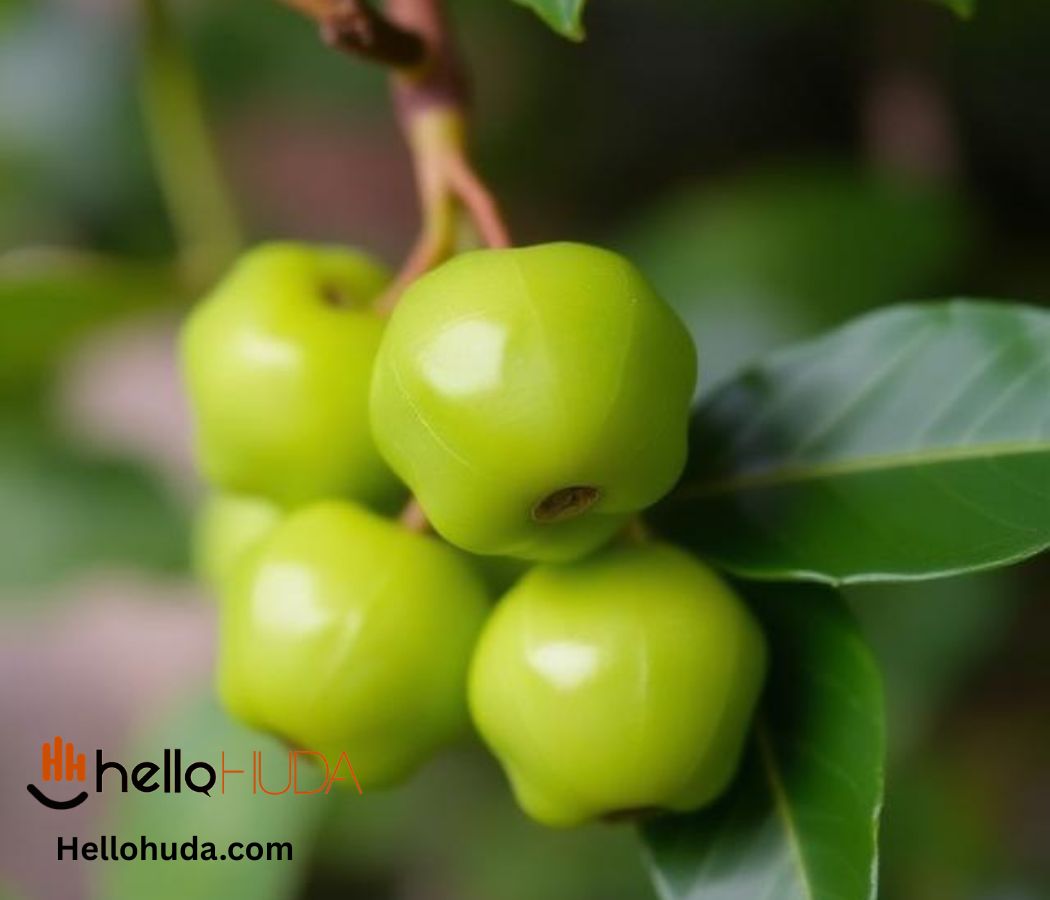
You might have walked past them in a health food store without a second look—small, wrinkled, brownish-red fruits with a subtle sweetness and a hidden superpower. But in 2026, žižole is finally getting the attention it deserves.
People have cultivated žižole — also known as the jujube fruit, Chinese date, or red date — for over 4,000 years in Asia. In countries like China, Korea, India, as well as Slovenia, Croatia, and Italy, people have long valued this hardy fruit not only as a delicious snack but also as a traditional remedy for everything from poor sleep to digestive issues.
Despite its ancient roots, many people in the West are just now discovering it. Why? Because as clean eating and natural wellness continue to trend in 2026, people are searching for simple, whole-food solutions that actually work—and žižole delivers.
This article will walk you through everything you need to know about žižole: what it is, its impressive nutritional profile, the health benefits backed by science, how to eat it, and even how to grow it at home. By the end, you’ll understand why this tiny superfruit might just become your new favorite ingredient.
What Is Žižole? A Complete Guide
Let’s start with the basics.
Žižole is a small, round-to-oval fruit that grows on the Ziziphus jujuba tree, a member of the buckthorn family (Rhamnaceae). The tree itself is thorny and can grow up to 10 meters (about 30 feet) tall. Its leaves are glossy and slightly toothed, and the small yellow flowers bloom from May to August, eventually giving way to the fruit.
The appearance and taste of žižole change dramatically based on its ripeness:
-
Fresh and unripe: When still green, žižole is crisp, crunchy, and mildly sweet—comparable to a small apple.
-
Fresh and ripe: As it matures, the fruit turns reddish-brown, becomes softer, and develops a sweeter, date-like flavor.
-
Dried: Once dried, žižole shrivels up, becomes chewy, and its flavor concentrates into a rich, sugary sweetness.
But here’s where people often get confused. Žižole is not a true date. True dates grow on date palm trees (species of the genus Phoenix), while žižole comes from a completely different plant family. The nickname “Chinese date” is simply a description of its similar taste and texture.
This fruit has also accumulated a long list of other names depending on where you are in the world. You might hear it called jujube, red date, Chinese date, Korean date, Indian plum, ber, or čičimak. No matter the name, they all refer to the same nutritious fruit.
Wait, is it “žižole,” “jujube,” or “žižola”?
This is a common point of confusion. In many languages, the terms are used interchangeably:
-
Žižole (plural) or žižola (singular): This is the word used in Slovenian and other Slavic languages.
-
Jujube: This is the more common English name, derived from the ancient Greek zizyphon.
-
Chinese date: A descriptive nickname referring to its appearance and origin.
Throughout this article, we’ll use the term “žižole” to stay true to the fruit’s cultural name.
A quick note on pronunciation: If you’re an English speaker, you’re probably wondering how to say “žižole.” The “ž” is pronounced like the “s” in “pleasure” or the “g” in “genre.” So “žižole” sounds something like “zhee-zho-leh.” Not difficult at all once you get the hang of it!
Where Does Žižole Come From? A Brief History
The story of žižole begins in northern China more than 4,000 years ago. Its cultivation quickly spread throughout Asia, and it eventually made its way to the Mediterranean via ancient trade routes.
In China, žižole was never just food. Traditional Chinese Medicine (TCM) has used the fruit—particularly its seeds—for centuries as a natural sedative, sleep aid, and stress reliever. Practitioners would prescribe it to calm the mind, nourish the heart, and support overall digestive health.
When žižole arrived in the Mediterranean region and the Balkans, local cultures quickly embraced it. In countries like Slovenia, Croatia, and Italy, people incorporated the fruit into traditional recipes, including syrups, jams, and even homemade liqueurs such as rakija (a fruit brandy popular in the Balkans). Today, in certain parts of Europe, you can still find roadside stands selling fresh žižole during the autumn harvest season.
Throughout history, people have associated žižole with good health, longevity, and prosperity. In some Asian cultures, people traditionally give the dried fruit as a gift during the Lunar New Year to wish recipients a long and healthy life.
Why Is Žižole Called a Superfruit?
You’ve likely heard the term “superfruit” thrown around a lot lately. But what does it actually mean?
A superfruit is a fruit that delivers a remarkable concentration of nutrients, antioxidants, and health benefits relative to its size. Žižole fits this definition perfectly.
What makes žižole special is its density. Despite being small enough to pop in your mouth like a large grape, it packs an impressive amount of vitamins, minerals, fiber, and antioxidants. People interested in ‘clean eating’ and natural wellness can easily use žižole to add significant nutritional value to their diet without relying on processed supplements or artificial health products.
Nutritional Profile
Let’s look at what’s actually inside this tiny fruit. Numbers are based on a 100‑gram (approximately 3.5‑ounce) serving of fresh žižole:
| Nutrient | Approximate Amount per 100g |
|---|---|
| Calories | ~79 kcal |
| Vitamin C | ~69 mg |
| Potassium | ~250 mg |
| Fiber | Significant |
| Antioxidants | Flavonoids, polysaccharides, phenolic acids |
| Vitamin B complex | Present |
| Magnesium | Present |
| Iron | Present |
What’s most striking is the Vitamin C content. At approximately 69 mg per 100g, fresh žižole actually contains more Vitamin C than an equivalent serving of oranges. This alone makes it an excellent fruit for immune support.
Dried žižole, by contrast, is more energy-dense. The drying process concentrates the natural sugars, making the dried fruit a good source of quick energy. However, if you’re watching your sugar intake, fresh žižole is the better choice.
5 Science‑Backed Health Benefits of Žižole
Žižole has been used in traditional healing systems for millennia, but modern research is now catching up. Here are five specific health benefits supported by evidence.
1. Strengthens the Immune System
This is probably žižole’s most straightforward benefit. Thanks to its sky‑high Vitamin C levels, regularly eating fresh žižole can help support your body’s natural defenses against common infections and illness. The fruit’s antioxidants also help your immune cells function more efficiently.
2. Improves Sleep and Reduces Stress
In Traditional Chinese Medicine, žižole seeds have long been used as a natural sedative and anxiety reliever. The active compounds responsible for this effect are saponins and flavonoids, which appear to have a calming influence on the nervous system.
Drinking a cup of žižole tea in the evening is a gentle, drug‑free way to wind down after a stressful day. Many people report falling asleep more easily and sleeping more deeply when they incorporate žižole into their nightly routine.
3. Supports Digestive Health
The dietary fiber in žižole acts as a natural regulator for your digestive system. Fiber helps keep bowel movements regular, prevents constipation, and contributes to a healthy gut microbiome by feeding beneficial bacteria.
If you struggle with digestive issues, adding a handful of dried žižole to your daily diet is a simple and enjoyable way to increase your fiber intake.
4. Promotes Heart Health
Žižole contains potassium, a mineral that is essential for maintaining healthy blood pressure levels. Potassium works by counteracting the effects of sodium and relaxing the walls of your blood vessels.
The fruit also provides magnesium, another heart‑healthy mineral that helps regulate heartbeat and prevent arrhythmias. Combined with the fruit’s antioxidant properties, these nutrients make žižole a heart‑smart choice.
5. Slows Aging and Protects Skin
The aging process is largely driven by a type of cellular damage called oxidative stress. Antioxidants counteract this damage by neutralizing harmful molecules known as free radicals.
Žižole is packed with powerful antioxidants, including flavonoids and phenolic acids. Additionally, the Vitamin C in žižole is essential for collagen production—the protein that keeps skin firm, elastic, and youthful-looking.
Eating žižole regularly is a delicious way to support your skin’s health from the inside out, potentially reducing the appearance of fine lines and wrinkles.
Potential Side Effects and Precautions
For most people, žižole is very safe to eat. However, there are a few things to keep in mind:
-
Blood sugar considerations: Dried žižole is much higher in natural sugars than fresh. If you have diabetes or insulin resistance, it’s best to limit your intake of the dried version and stick with fresh fruit.
-
Allergies: Allergic reactions are rare but possible. If you have known allergies to plants in the buckthorn family, use caution.
-
Pregnancy and breastfeeding: While žižole is generally considered safe, there is limited research on its effects during pregnancy and breastfeeding. If you fall into this category, it’s wise to consult with a healthcare professional before making žižole a regular part of your diet.
As with any food, the key is moderation. A handful of fresh or dried žižole per day is a reasonable and healthy amount for most people.
How to Use Žižole: 5 Easy Ways
One of the best things about žižole is its versatility. Whether you prefer it fresh, dried, cooked, or steeped, there’s a method that will suit your tastes.
1. Fresh Žižole
When they’re in season (typically autumn, around September to October), fresh žižole can be eaten out of hand like any other fruit. Simply wash them, bite into the thin skin, and enjoy the crisp, apple‑like flesh. Just be aware that each fruit contains a hard, inedible pit in the center, so chew carefully.
2. Dried Žižole as a Snack
Dried žižole is available year‑round at most Asian grocery stores, health food shops, and online. It can be eaten straight from the package as a chewy, naturally sweet snack—no added sugar necessary. This is by far the easiest way to incorporate žižole into your life.
3. Žižole Tea
Jujube tea is a traditional remedy for stress and poor sleep, and it’s incredibly simple to make. Here’s how:
Ingredients:
-
6–8 dried žižole fruits
-
2–3 cups of water
-
Optional: a slice of fresh ginger or a drizzle of honey
Instructions:
-
Rinse the dried žižole briefly under cool water.
-
Place the fruit in a small saucepan and cover with water.
-
Bring to a boil, then reduce the heat and let it simmer for 20–30 minutes. The longer it simmers, the sweeter and more flavorful the tea will become.
-
(Optional) Add ginger during the last 5 minutes of simmering.
-
Strain the tea into a mug, add honey if desired, and enjoy it warm—ideally in the evening.
4. Jams and Syrups
Žižole can be cooked down into a delicious homemade jam, perfect for spreading on toast or adding to yogurt. The fruit’s natural pectin content means the jam will set easily without requiring commercial pectin. Alternatively, you can make a simple syrup by simmering žižole with water and a small amount of sugar, then straining out the solids.
5. Savory Dishes
Don’t think of žižole as just a sweet fruit. In many Asian cuisines, it is added to savory dishes such as soups, stews, and braised meats. The dried fruit imparts a subtle sweetness that balances out salty and savory flavors beautifully. Next time you make a slow‑cooked meat dish or a hearty vegetable soup, try tossing in a handful of dried žižole.
Where to buy žižole: Fresh žižole is seasonal and can sometimes be found at farmers’ markets or well‑stocked grocery stores during the autumn months. Dried žižole is much more readily available; look for it in the dried fruit section of Asian supermarkets, health food stores, or online retailers.
Cultural Significance in Asia and the Balkans
Žižole occupies a special place in both Eastern and European food traditions, though the specific uses differ.
China:
-
The fruit is used in sweet and sour soups, congee (rice porridge), and herbal tonics.
-
Dried žižole is a common ingredient in confinement foods for new mothers, believed to restore energy and nourish the blood after childbirth.
-
The seeds are used in TCM to treat insomnia, anxiety, and heart palpitations.
Korea:
-
Dried žižole (called daechu) is used to make a traditional tea called daechu-cha, often consumed after meals to aid digestion.
-
The fruit is also used in samgyetang (ginseng chicken soup), a nourishing dish eaten during the hot summer months to replenish energy.
The Balkans (Slovenia, Croatia, Italy):
-
Žižole is commonly made into syrups, jams, and homemade liqueurs.
-
The fruit is harvested in autumn and often preserved to be enjoyed throughout the winter.
This cross‑cultural appeal demonstrates that žižole is not just a passing trend—it’s a fruit that has earned its place in multiple cuisines over thousands of years.
How to Grow Your Own Žižole Tree
If you have space for a fruit tree, consider growing your own žižole. The Ziziphus jujuba tree is remarkably hardy and drought‑tolerant once established. Here’s what you need to know:
-
Climate: The tree thrives in warm, dry, sunny conditions and can survive winter temperatures as low as −25°C (−13°F) while dormant. It is well‑suited to USDA hardiness zones 8 through 11.
-
Size: Mature trees can reach up to 10 meters (30 feet) in height, though they can be pruned to remain smaller.
-
Soil: The tree is not particularly picky about soil, as long as it is well‑drained.
-
Water: Once established, žižole trees are highly drought‑resistant and do not require frequent watering.
-
Maintenance: The tree is low‑maintenance and generally resistant to pests and diseases.
If you’re interested in sustainable home gardening, žižole is an excellent choice. You’ll be rewarded with a reliable harvest of nutritious fruit each autumn with very little effort.
Frequently Asked Questions (FAQ)
What is the difference between žižole and regular dates?
Žižole is sometimes called a Chinese date, but it is not a true date. True dates come from date palm trees (genus Phoenix), while žižole comes from the Ziziphus jujuba tree. They are completely unrelated botanically.
Can you eat žižole raw?
Yes! Fresh žižole can be eaten raw, just like an apple. The taste is crisp, mildly sweet, and refreshing.
Is žižole safe for everyone?
For most, yes. Dried žižole has a high natural sugar content, so people with diabetes should monitor their portions.
How do you pronounce “žižole”?
It’s pronounced “zhee‑zho‑leh.” The “ž” sounds like the “s” in “pleasure.”
Conclusion
Žižole is proof that good things often come in small packages.
For more than 4,000 years, this unassuming fruit has supported the health of people across Asia and the Mediterranean. Today, as we continue to rediscover the value of whole, natural foods, žižole is finally getting the global recognition it deserves.
Whether you’re looking to boost your immune system, improve your sleep, support your digestion, or simply enjoy a delicious and unique snack, žižole has something to offer. It’s versatile enough to use in everything from a cup of soothing evening tea to a savory winter stew. And with its low-maintenance growing requirements, it’s even a realistic option for your own backyard.
So the next time you see a package of dried žižole at the store or a basket of fresh ones at a farmers’ market, don’t walk by. Pick some up, take them home, and experience for yourself why this tiny superfruit has stood the test of time.
Your body—and your taste buds—will thank you.