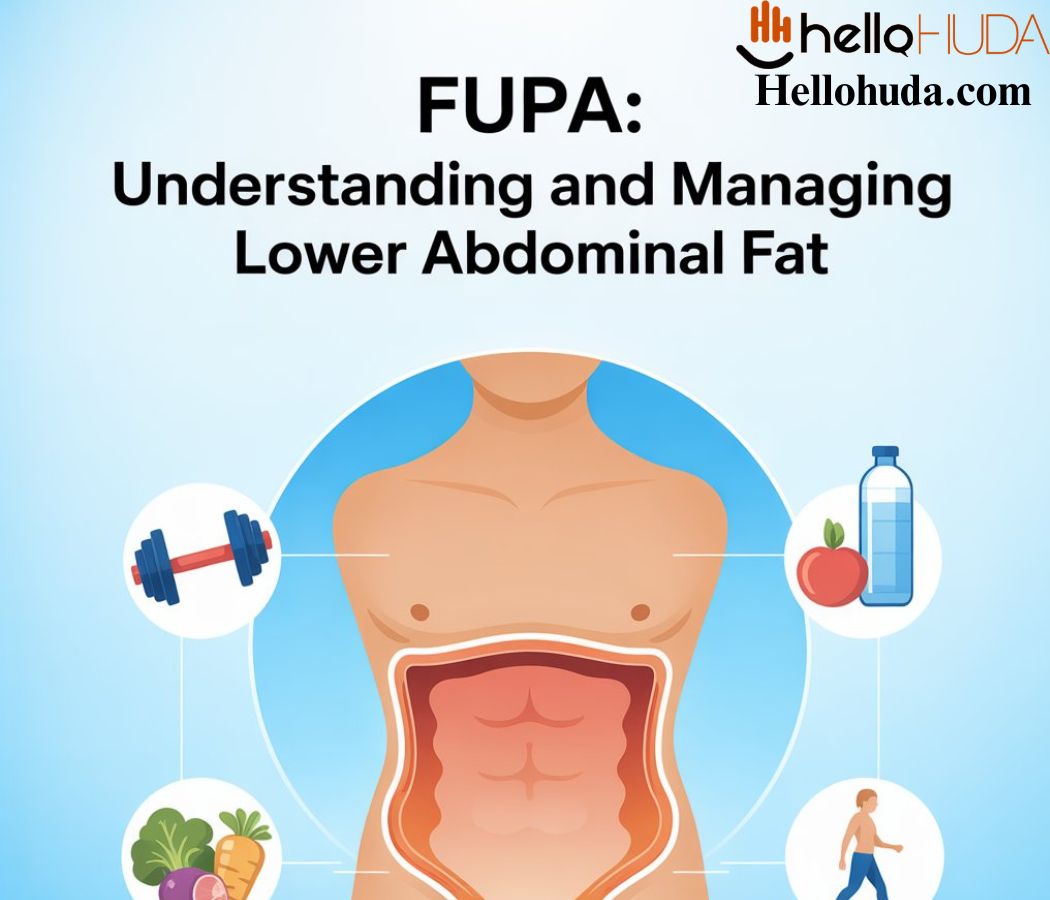
Curious about the meaning of “FUPA”? You’re in the right place. This blog post will explore everything you need to know, from its definition and origins to the causes and ways to address it.
What is a FUPA?
FUPA is a slang acronym that stands for Fat Upper Pubic Area. It’s a term used to describe the layer of excess fatty tissue that can accumulate just above the pubic bone, below the belly button, creating a noticeable bulge or pouch.
While you might often hear FUPA used as slang, the area has a proper medical name: the mons pubis. This is a natural cushion of fatty tissue that everyone has, as its purpose is to protect the underlying pubic bone. However, when this area becomes more prominent or larger than average, it is colloquially referred to as a FUPA.
Origins of the Slang Term
The term FUPA is believed to have originated in the early 2000s, emerging with the growth of internet culture and online discussions about body image. It became part of everyday slang through its use on social media platforms, in memes, and in casual conversations. While some definitions use a more vulgar term for the ‘P’ in the acronym, the most commonly accepted and polite meaning remains “Fat Upper Pubic Area”.
The term was catapulted into the mainstream when global superstar Beyoncé used it in a 2018 Vogue interview to describe her post-pregnancy body, calling it her “mummy pouch”. This moment marked a significant shift, helping to destigmatize the word and opening up a broader conversation about normal, natural body changes.
What Causes a FUPA?
Several factors can contribute to the development of a more pronounced FUPA. It’s a complex issue, and the cause is often a combination of different elements, not just one single factor.
1. Genetics
Genetics play a significant role in determining how and where your body stores fat. If your family members tend to carry weight in their lower abdomen and pelvic region, you are more likely to have a similar predisposition. This is often simply a matter of your unique body composition.
2. Pregnancy and Childbirth
This is a very common cause for many women. During pregnancy, the body undergoes massive changes. Your body naturally stores fat in the lower belly to protect the growing baby, and the abdominal muscles stretch and can separate (a condition known as diastasis recti). After giving birth, the stretched skin and weakened muscles, combined with hormonal shifts, can result in a pouch-like appearance in the pubic area.
3. Weight Fluctuations
Significant weight gain or loss can contribute to a FUPA. When you gain weight, fat cells enlarge in the mons pubis just like everywhere else. Conversely, losing a large amount of weight can lead to loose, excess skin that hangs down in the pubic region, creating the appearance of a FUPA. This excess skin is medically referred to as a panniculus.
4. Hormones
Hormones strongly influence where your body stores fat. Estrogen encourages fat storage in the lower body, including the hips, thighs, and pubic area. Conditions like polycystic ovary syndrome (PCOS) or thyroid disorders can also cause hormonal imbalances that lead to weight gain and fat accumulation in the lower abdomen and pubic region.
5. Aging
As we age, our bodies produce less collagen and elastin, causing the skin to lose elasticity and begin to sag. This natural loss of firmness can cause the skin in the mons pubis to droop, making the area appear more prominent.
6. Previous Surgeries
In some cases, previous abdominal surgeries, such as a C-section, can create scar tissue that pulls the skin tight above the scar, making the tissue below (the mons pubis) look more pronounced. A FUPA can also become more noticeable after a tummy tuck or abdominal liposuction, as the removal of fat from the stomach can leave the pubic area relatively fuller in comparison.
Health Implications and Mental Well-being
For most people, a FUPA is a cosmetic concern, not a medical problem. However, in some cases, it can lead to physical issues. The primary physical concern is related to skin health. Excess fat and skin folds can create a warm, moist environment prone to chafing, skin irritation, rashes, and infections. In more severe cases, a large panniculus can cause difficulty with hygiene, walking, or finding clothes that fit properly.
The psychological impact of having a FUPA can be just as significant, if not more so, than the physical symptoms. Many people feel self-conscious or embarrassed, which can negatively impact their self-esteem and body image. This distress can, in turn, contribute to mental health issues like anxiety and depression. It is very important to remember that a FUPA is a common body variation and does not define your health or worth.
How to Get Rid of a FUPA
If you are looking to reduce the appearance of a FUPA, there are several approaches, ranging from lifestyle changes to medical procedures.
Natural Methods: Diet and Exercise
First and foremost, it’s crucial to understand that you cannot spot-reduce fat. No exercise will specifically target the pubic area for fat loss. The most effective natural approach is to focus on an overall calorie deficit through a healthy diet and regular exercise to reduce total body fat.
-
Balanced Diet: Focus on a nutrient-dense diet rich in whole foods. Fill your plate with lean proteins (chicken, fish, beans), colorful vegetables, fruits, whole grains, and healthy fats. Cutting back on processed foods, sugary drinks, and refined carbohydrates is key to supporting overall fat loss.
-
Cardio Exercise: Incorporate regular cardiovascular exercise to burn calories and reduce overall body fat. Aim for at least 30-45 minutes of moderate-to-intense cardio, such as running, swimming, or cycling, 4-5 times per week.
-
Core-Strengthening Exercises: While they won’t burn fat from the area, strengthening your core muscles can tone the underlying muscle and improve the overall appearance of your midsection. Excellent exercises for this include:
-
Planks: A fantastic move for your entire core, including the deep muscles.
-
Leg Raises: This exercise helps target the often-hard-to-reach lower abdominal muscles.
-
Bicycle Crunches: A great all-around ab exercise that engages multiple muscle groups.
Medical and Surgical Treatments
If diet and exercise haven’t provided the desired results, several medical and surgical options can more directly address a FUPA.
-
Liposuction: This minimally invasive procedure is ideal for removing small, stubborn pockets of fat that do not respond to diet and exercise. It involves suctioning out excess fat cells from the mons pubis through small incisions.
-
Monsplasty (Pubic Lift): This surgical procedure is designed to remove both excess fat and excess skin from the mons pubis. It is particularly beneficial for individuals who have loose, sagging skin, often as a result of significant weight loss or pregnancy. The goal is to lift and tighten the area for a smoother, more contoured appearance.
-
CoolSculpting: This is a non-invasive procedure that uses controlled cooling to freeze and destroy fat cells. It can be a good option for treating small, pinchable pockets of fat without surgery or downtime.
Body Positivity and Cultural Impact
While the term FUPA has often been used in a derogatory or body-shaming way, a significant cultural shift is underway. Celebrities like Beyoncé and countless social media influencers have openly embraced their own FUPAs, using their platforms to encourage body acceptance and self-love.
Across platforms like TikTok and Instagram, a growing body positivity movement is reclaiming the term. People are using humor and candid conversations to normalize the natural changes their bodies go through, whether from pregnancy, weight fluctuations, or simply aging. Instead of a source of shame, the FUPA is being reframed as just another normal and valid part of the diverse spectrum of human bodies. This movement fosters supportive communities where individuals can share their stories and feel empowered.
The Bottom Line
Ultimately, the meaning of FUPA goes beyond its simple definition. It is a reminder that a FUPA is a normal and common part of the human body, affecting people of all shapes and sizes. Whether you choose to embrace it, reduce it through natural methods, or consider a medical procedure, the most important thing is to prioritize your own health and well-being. Your body’s worth is not determined by a slang term, and understanding the facts is the first step towards a healthier and more confident relationship with yourself.

 By huda