
 By huda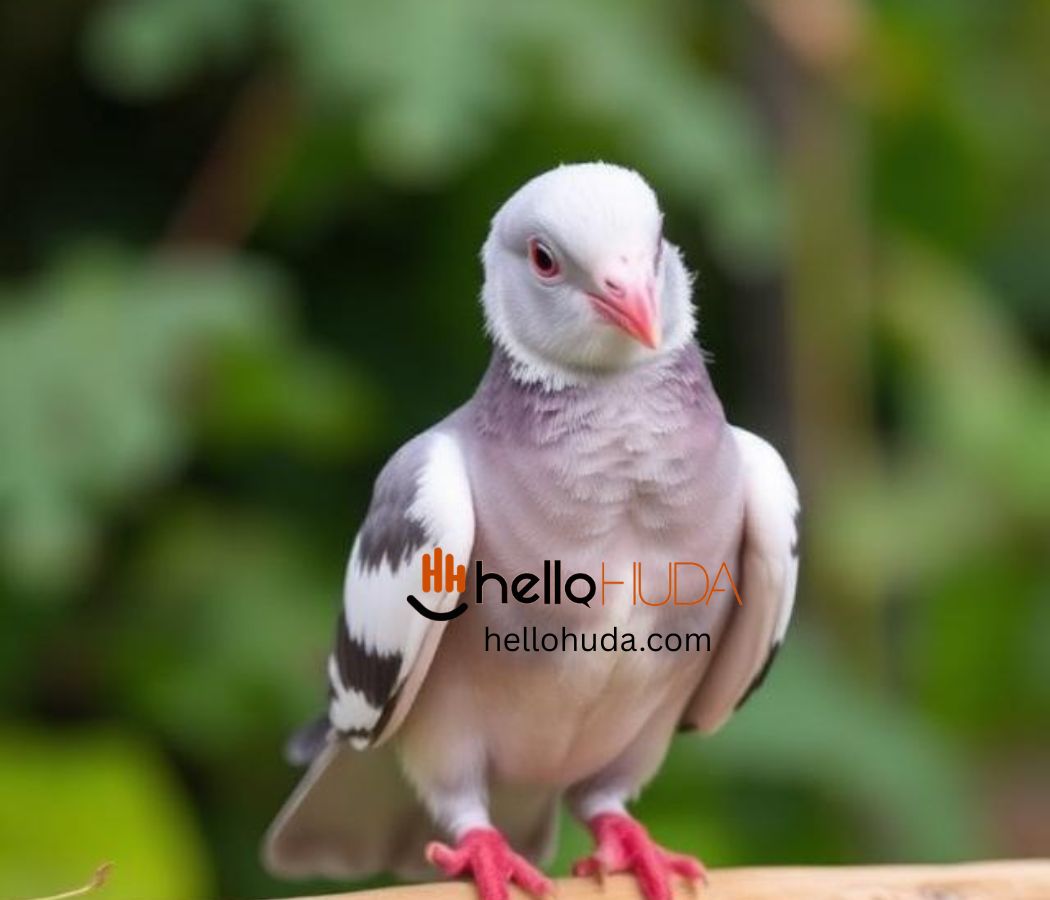
Raising pigeons is a rewarding journey, but for a beginner, a “fully optimized article” isn’t a collection of SEO tricks—it’s a complete and reliable guide that builds your confidence. This is your straightforward, all-you-need guide to successfully raising a squab from hatchling to healthy adult. Let’s get started on the right foot together!
What is an Infant Pigeon Called? A Quick Terminology
Before we dive in, let’s get the terminology right. An infant pigeon is not called a chick or a baby bird. The correct term is:
-
Squab: This is the official name for a young pigeon, typically under four weeks old.
-
Squeaker: An informal, but commonly used, nickname for a squab.
-
Hatchling/Nestling/Fledgling: These are more technical terms used to describe their specific stage of development.
A Hidden Beginning: The Elusive Nature of Squabs
Have you ever noticed that you rarely see baby pigeons? There’s a simple reason. Parent pigeons, known as a “humble pair,” build fragile, shallow nests in high, secluded spots like ledges and barn rafters to keep their young safe.
Unlike many garden birds that fledge in just two weeks, squabs stay in the nest for about 25 to 32 days, often until they are nearly as large as their parents. As a result, the first time you see them outside the nest, they look almost like adults. This long nesting period is the primary reason their early, downy stage remains a secret to most people.
The Squab Growth Tracker: A Week-by-Week Guide
From a wobbly pink hatchling to a juvenile “teenager,” the squab’s development is rapid and fascinating. Use this growth tracker to check their progress every few days—each change is a clear sign of healthy development.
| Stage | Age | Key Characteristics & Growth | Care & Feeding |
|---|---|---|---|
| Hatchling | Day 1-3 | Helpless, eyes closed, covered in sparse yellow/grey down. Weighs ~15g (0.5 oz); grows 4-8g daily. |
Relies entirely on parents. Receives crop milk (see box below). |
| Nestling | Day 4-10 | Eyes open on day 4-5. Experiences rapid weight gain; can add ~20g in a single day. Begins observing surroundings and moving in the nest. |
Still reliant on parents. Parent birds introduce small, softened seeds into their diet. |
| Fledgling | Day 11-30 | Pin feathers develop, giving a spiky appearance. Starts exercising wings and attempting short test flights. By day 30, they are fully feathered and near adult size (270-350g / 9.5-12.3 oz). |
Begins weaning off crop milk. Parents now provide regurgitated adult food (seeds, grains). |
| Juvenile | Day 30-40+ | Looks much like an adult, but with duller plumage and lacking iridescent neck patches. Continues growing until ~35-40 days. |
Practices independent eating while parents demonstrate foraging skills. |
The Secret Superfood: “Milk” from the Crop
The cornerstone of a squab’s early health is not seed, but a yogurt-like secretion called crop milk. Created in both parents’ crops a few days before hatching, it’s extremely rich in fat and protein, and packed with antibodies and antioxidants that help build the chick’s immune system. This nutrient-dense formula supports their explosive early growth.
Spotting the Difference: Juvenile vs. Adult
Once your squab leaves the nest, it may be hard to distinguish from an adult. Here are the key differences:
-
Plumage: Juveniles have duller, less vibrant feathers overall.
-
Neck Iridescence: Adults often have a shiny purple/green sheen on their necks, which young birds lack entirely.
-
Cere (Fleshy part above the beak): A juvenile’s patch will be pinkish-grey, while an adult’s is a stark white.
-
Eye Color: Juveniles have medium-brown or greyish-brown eyes. Adults develop vibrant yellow, orange, or red-orange eyes.
-
Length: Fledglings have noticeably shorter tail and primary wing feathers than adults, which affects their flight ability.
A Beginner’s Guide to Hand-Rearing a Squab
The best-case scenario is always to have the squab’s parents raise it. But if you ever find yourself needing to step in—because the bird is injured, abandoned, or orphaned—don’t worry. Here is your step-by-step, common-sense guide to doing it right.
Step1: Before You Act — Assess First
A baby pigeon on the ground isn’t always an emergency. Many are fledglings learning to fly with parents nearby. Before intervening, stand back and observe for 1-2 hours to see if an adult returns to feed it. If the bird is completely bald/covered in down (nestling) and the parents don’t return, it needs your help. If it’s injured, cold, or in immediate danger (e.g., from traffic or a cat), intervention is required immediately.
Step2: Rescue — Warmth is Priority Number One
If you determine the squab needs your help:
-
Prepare a Safe Space: Get a small cardboard box and line it with a soft, uncuffed piece of fabric or a paper towel (avoid stringy or looped materials).
-
Handle with Care: Gently pick up the squab with gloves or a soft cloth to minimize stress.
-
Provide Immediate Warmth: This is critical. A cold baby pigeon cannot digest food. Fill a clean sock with uncooked rice, tie the end, and microwave it for 30 seconds. Place this “warmie” next to the bird inside the box.
Step3: Care — When to Feed and When to Wait
-
Reunite as a First Option: If the bird was found on the ground under a nest or ledge, attempt to return it. The parents will not reject it because of your scent—this is a common myth.
-
Do Not Force Water!: Never force water or milk into a baby bird’s beak; they can easily inhale it and drown. Your only job right now is to keep it warm and safe.
-
Contact a Professional: Your next step should be to contact a local wildlife rehabilitator, avian vet, or rescue organization for specific guidance on feeding and long-term care.
Squab FAQs: Your Questions, Answered
-
Q: Is it legal to keep a wild pigeon as a pet?
A: In many places, wild pigeons are not protected, but laws vary. It’s always best to contact a local wildlife agency for guidance. If you’re looking for a pet, consider adopting a domesticated pigeon from a rescue or breeder. -
Q: What is the best diet for a weaned squab?
A: A high-quality commercial pigeon pellet (about 2mm in diameter) is an excellent foundation. This can be supplemented with a mix of seeds and grains. Always provide fresh, clean water. -
Q: How do I bond with my pigeon?
A: The best way to build a trusting bond is through positive, consistent interaction. Start by spending calm, quiet time near its enclosure. Once it seems comfortable, try offering its favorite treats from your hand. Patience is key—let the bird set the pace.
Raising a pigeon is a truly unique journey. While the responsibility can feel daunting at first, these simple, reliable steps are designed to guide you through every milestone. With a bit of patience and this practical advice in hand, you’re already on the path to becoming a wonderful pigeon keeper. If you have any follow-up questions as your squab grows, feel free to ask.